The WORMVACS2.0 team brings helminth vaccine discussions to Barcelona
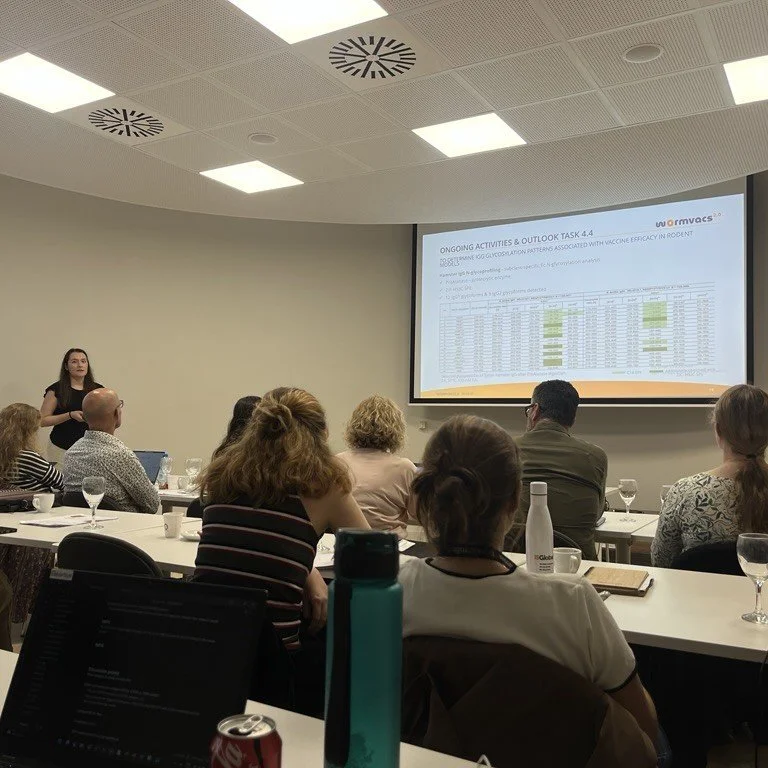
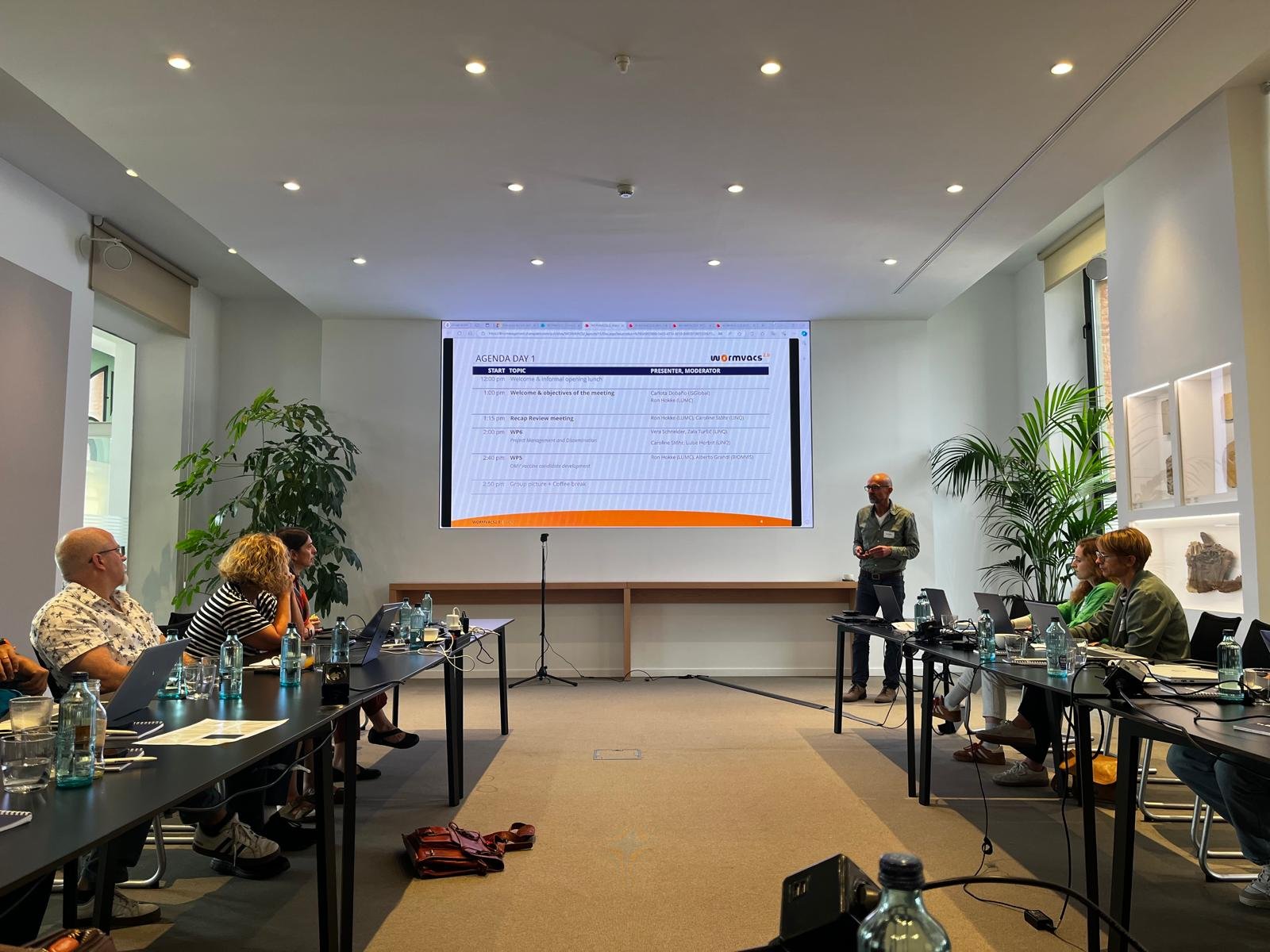
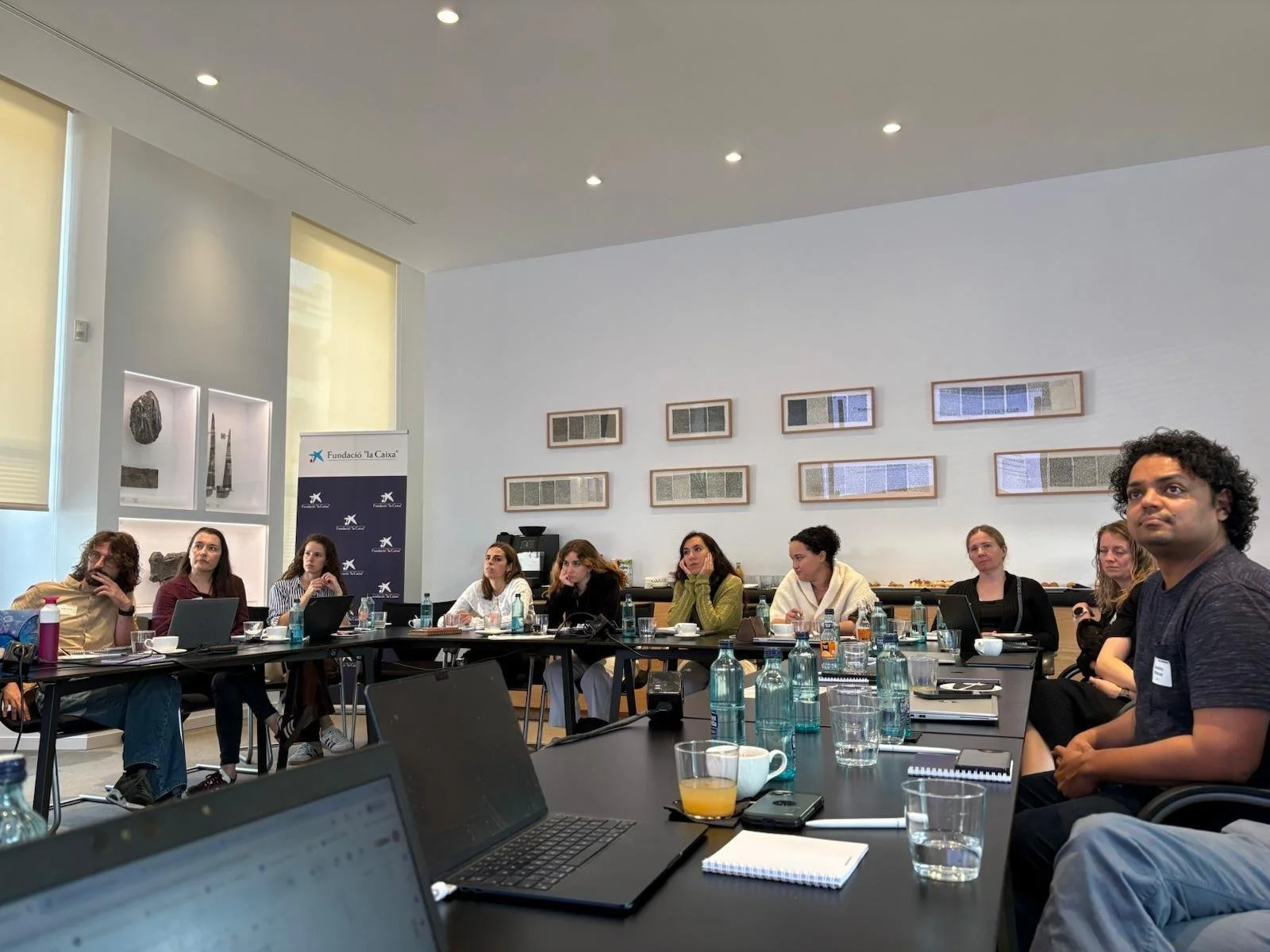
On 29-30 September, WORMVACS2.0 partners gathered in Barcelona for an annual meeting. With the project now in its second half, the meeting was an opportunity to celebrate project achievements so far and discuss key upcoming decisions.
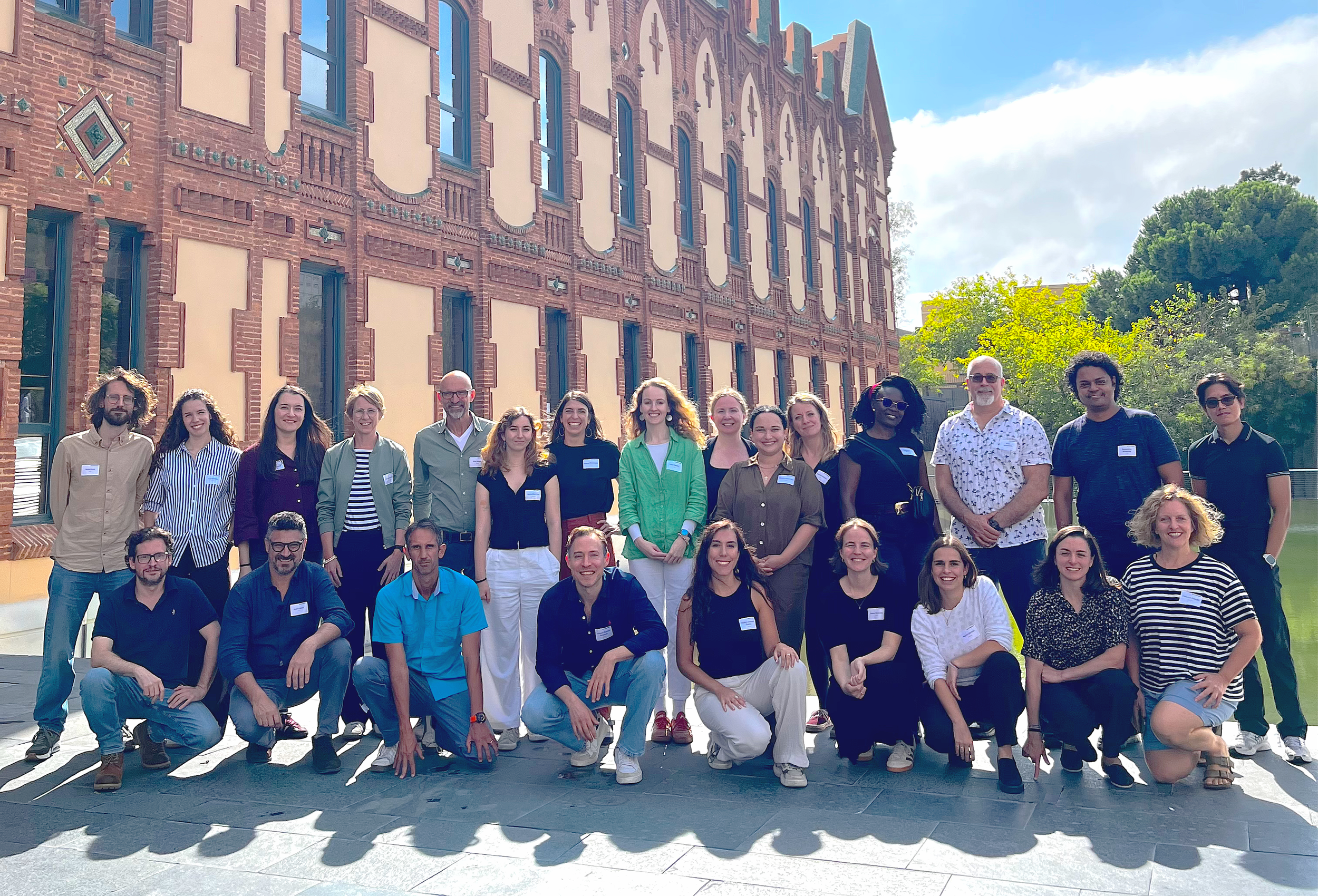
WORMVACS2.0 partners at the annual meeting in Barcelona.
Generation of controlled human infection data
The WORMVACS2.0 consortium aims to generate molecular and cellular immunology data from controlled human helminth infection studies and from natural helminth exposure cohorts to support multidimensional data analysis aiming to identify new vaccine targets and signatures of immunity. At the annual meeting, partners reported that by the end of the year, they will have completed the data derived from all existing human trial sample sets and started the integrated analysis.
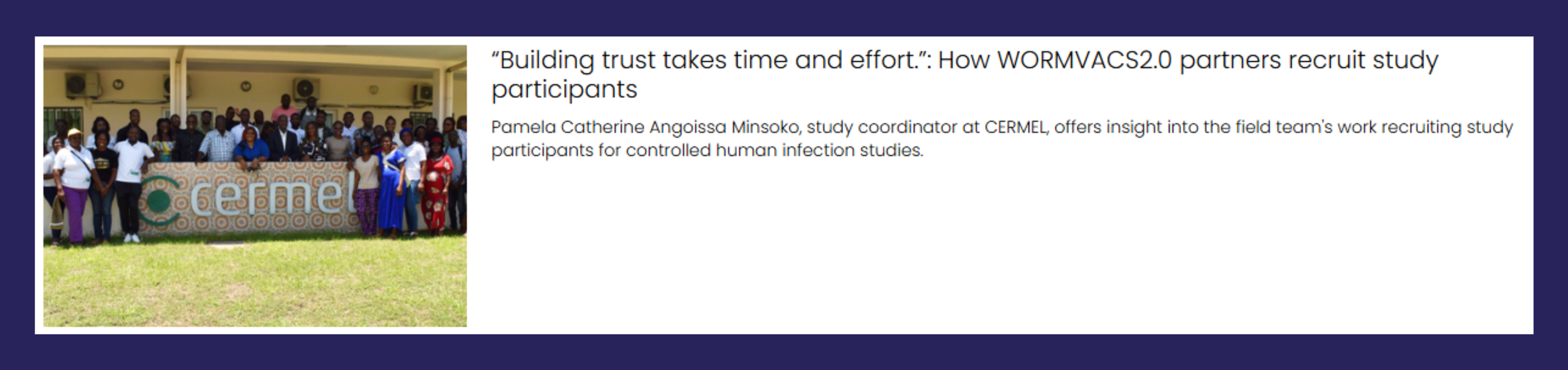
Interested in learning more about the process behind the human hookworm infection studies? Read more about it in this article:
Dashboard updates and wider use
At the centre of WORMVACS2.0’s data management is a data portal, which provides an overview of studies investigating human immune responses to helminth infections. Helminth researchers – within the consortium and beyond – can explore clinical trial, experimental, and analysis data from controlled human infection models conducted in both endemic and non-endemic countries.
The dashboard has recently been updated and will support the upcoming focus on data analysis by the partners next year, when they will narrow in on novel targets and signatures of immunity.

Innovative vaccine platform development
In their quest to develop a helminth vaccine pipeline, the partners have been exploring three production platforms: recombinant glycoproteins produced in plants, mRNA, and outer membrane vesicles (OMVs). At the annual meetings, researchers discussed the progress made in advancing the platforms – especially plants and OMVs – from experimental towards more applicable approaches, as well as plans to test the entire WORMVACS2.0 platform – from antigen identification and production to validation in different animal models.
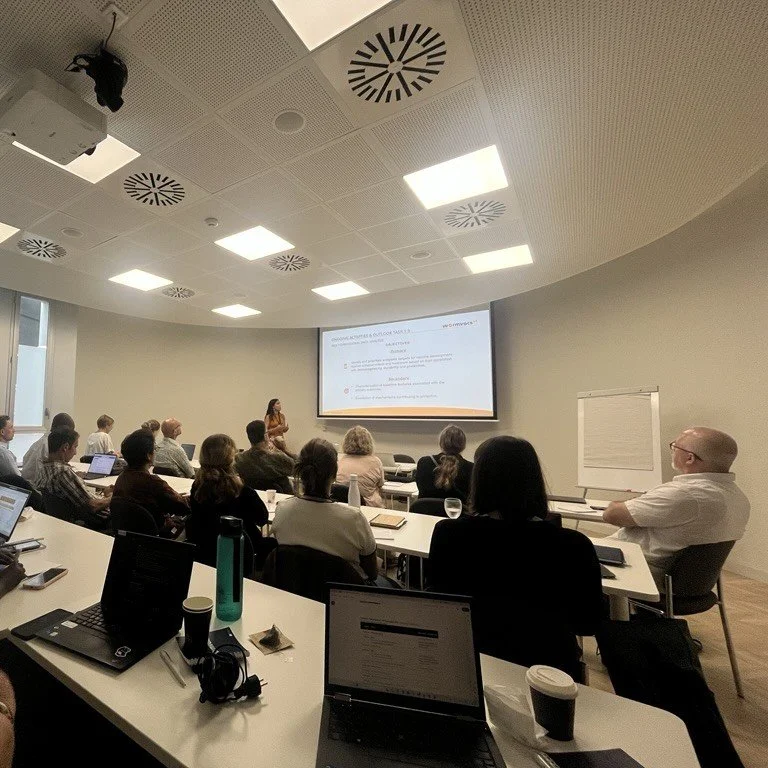

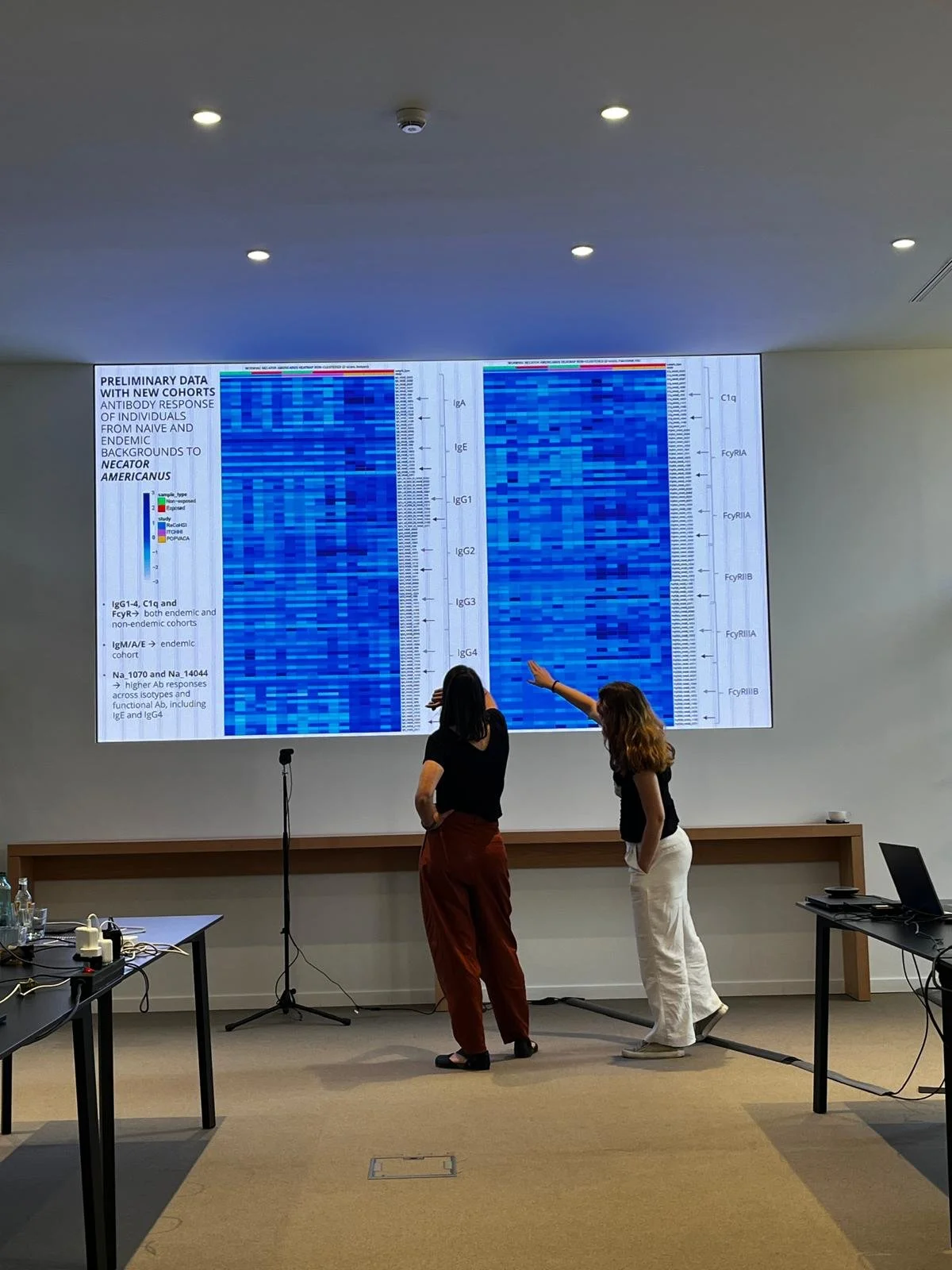
The annual meeting gave the partners the opportunity to discuss recent work, think through potential bottlenecks, and create a concrete plan for the next year and beyond. The project’s fourth year will clarify topics such as feasibility and potential of different vaccine development platforms, pre-clinincal efficacy of vaccine targets, and signatures of immunity, further guiding the partners' research plans.
Strengthened stakeholder engagement is also foreseen, with the next annual meeting planned to take place in Uganda, alongside an event open to key stakeholders, including researchers, policymakers and funders.