“Building trust takes time and effort.”: How WORMVACS2.0 partners recruit study participants
New advances in scientific knowledge often depend on the involvement of people as research participants, and research into how human bodies respond to infections is no exception. In the case of WORMVACS2.0, partners aim to understand the immune response to parasitic worm infections by conducting controlled human infection studies.
What is a controlled human infection study?
A controlled human infection study, also known as a human challenge trial, is a clinical research method in which volunteers are exposed to a pathogen (e.g., a parasite, virus, or bacterium) in a controllable and safe manner. Scientists then monitor participants and their responses to the pathogen to collect data that can inform scientific research and help develop measures to prevent or treat infections.
By mapping immune responses throughout this process, researchers gain a better understanding of how the body responds and use this knowledge to devise new ways to prevent or cure parasitic worm infections. A significant amount of work goes into raising awareness of the topics and diseases that controlled human infection studies address, their aims, and the eventual recruitment of volunteers.
To shed more light on this crucial part of scientific research, we spoke with Pamela Catherine Angoissa Minsoko, study coordinator at the Centre de Recherches Médicales de Lambaréné (CERMEL), a WORMVACS2.0 project partner. She leads field activities at CERMEL and supervises volunteer recruitment and informed consent.
What is informed consent?
Informed consent is a process by which a person is informed about all relevant aspects of a medical study and voluntarily confirms their willingness to participate.
As part of WORMVACS2.0, controlled human infection studies with hookworms are conducted in two environments: countries where hookworm infections are either endemic (constantly present) or non-endemic. Gabon, where CERMEL is based, is an example of an endemic environment.
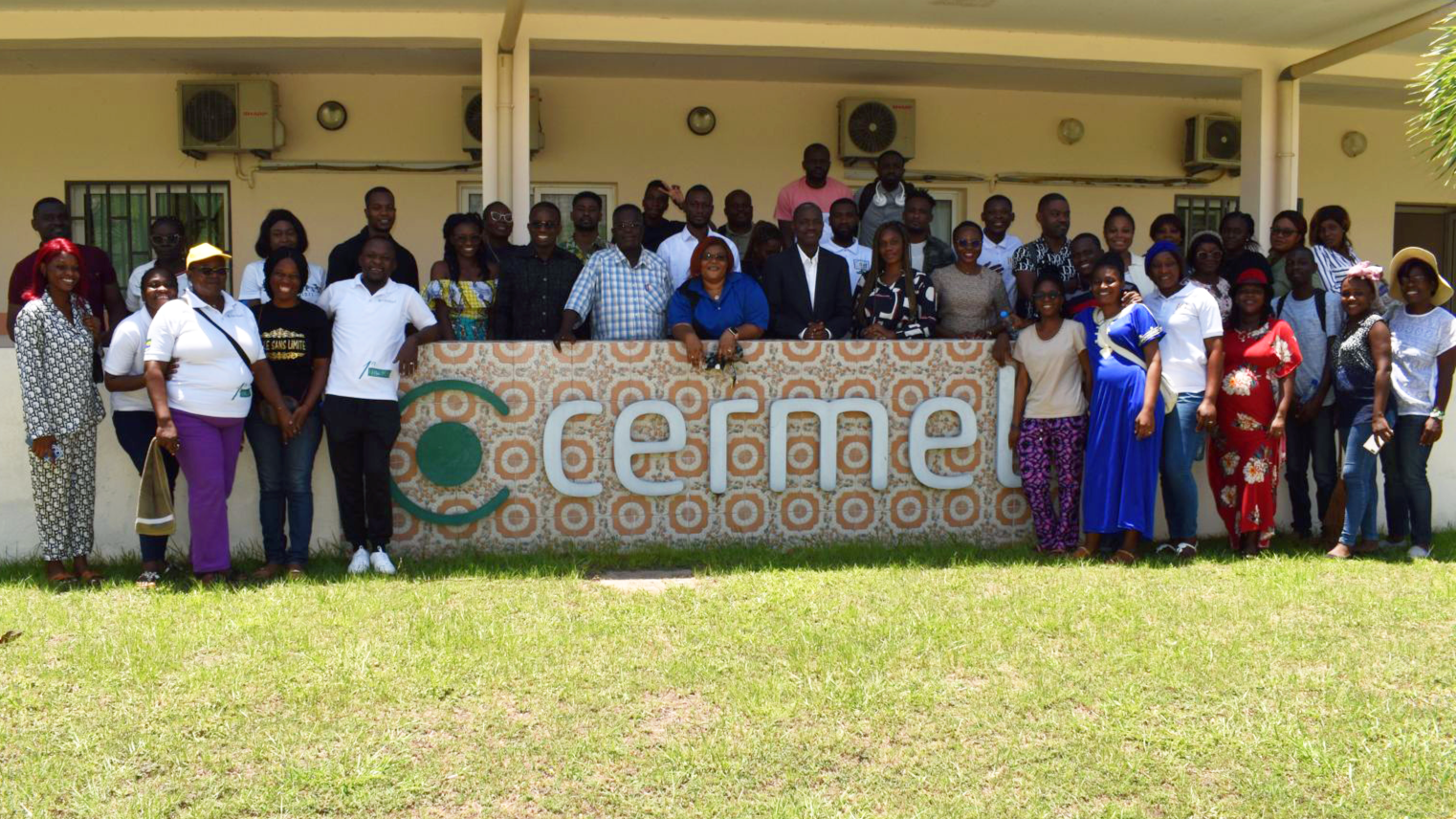
CERMEL recruitment team.
Door-to-door in search of volunteers
CERMEL is an important and active contributor to the scientific community in Gabon, with a field team well versed in informing the local community about health topics and engaging them in medical research. Each activity that requires the recruitment of volunteers, explains Ms Minsoko, starts with training the field team on the study's topic, its background, objectives, methodology, and other elements that describe how the study will be carried out, to ensure the safety of people recruited and the integrity of the collected data. "An important part of this preparatory phase is agreement on the key message of the study", she adds, "which will be used when first approaching potential volunteers and will provide key information they should understand about the study before considering joining."
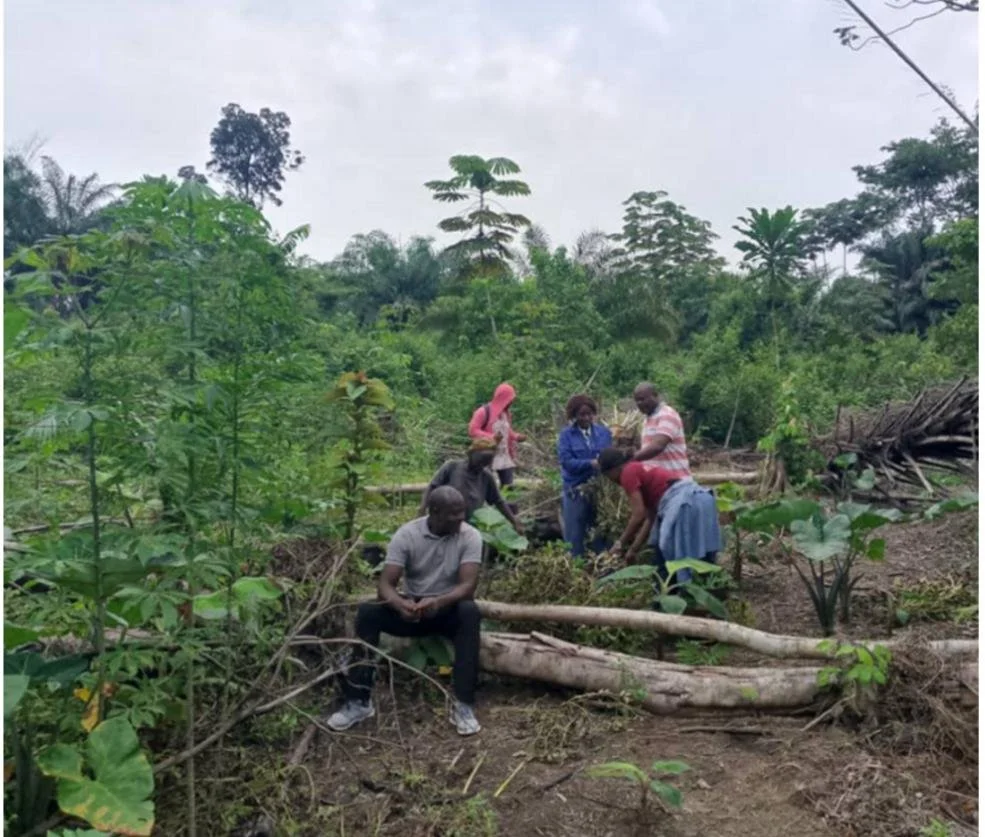
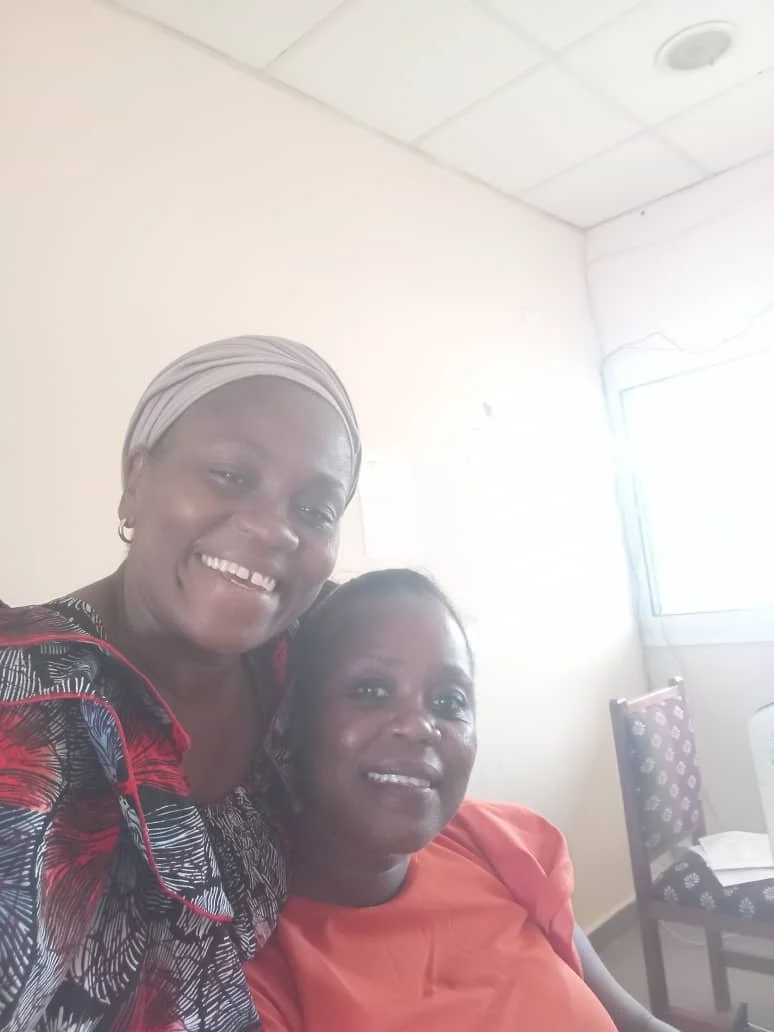
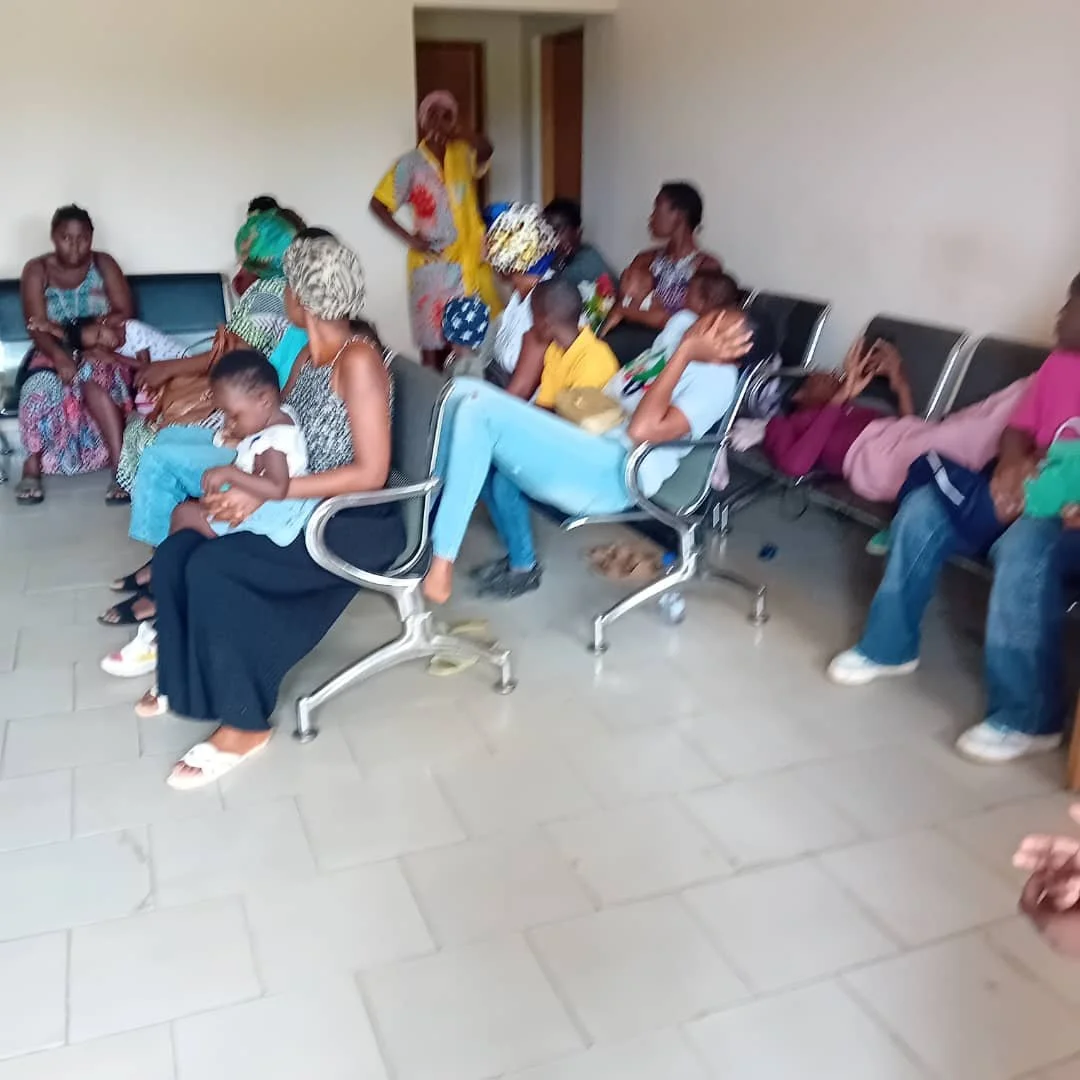
In the next phase, the team begins going door-to-door, explaining the study and inviting interested participants to an informational session at CERMEL. To participants, the researchers provide more detailed information about the infection and their goals for the study. At this point, the team follows the steps towards obtaining informed consent. An essential part of this is “education about the infection itself”, explains Ms Minsoko. “During this step, we have more time to go through all details, and often this includes information about the disease. We also have a team that focuses more on the social aspects of community engagement, and they lead our work on public education.”
Trust at the centre of all recruitment activities
The process might sound straightforward, but it is far from it. Recruiting volunteers can only be done in an environment where transparency and trust are present, both of which have to be built over years of work within a community. “We don’t have many challenges in terms of recruitment in our area”, says Ms Minsoko, as “CERMEL has been well established here for more than 20 years, and people trust in our activities.”
There are also practical aspects of taking part in a medical study that can sometimes appeal to potential volunteers. Those interested receive various medical tests to check their eligibility to take part in the study, which can sometimes be seen as a perk of volunteering, as people can struggle to reach the more distant medical facilities, such as hospitals, for medical exams in rural and semi-rural areas.
Successful recruitment of volunteers for controlled human infection studies is a crucial step for international groups of researchers, such as WORMVACS2.0, to further expand our knowledge of how our immune systems respond to parasites. The findings obtained from this research have already informed ongoing project work – to learn more, read the recent publication by some of the WORMVACS2.0 partners: